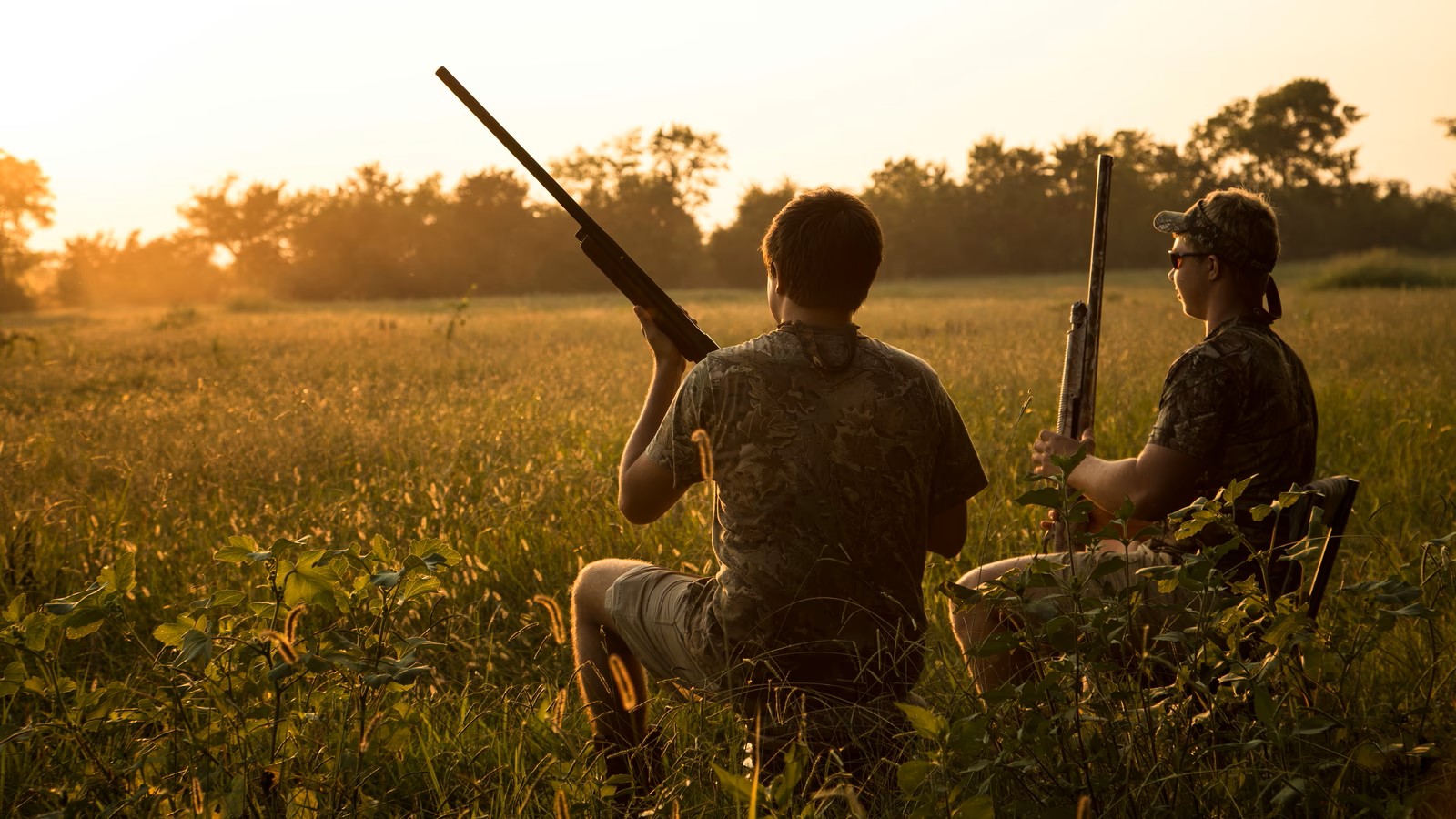
Field care · Caping · Hide handling
The first hour decides the mount
What happens between the shot and the cooler matters more than anything a taxidermist can fix later. We cape our own animals in Brewster County, and we have ruined enough of them to know exactly where it goes wrong.
How do we test?
Every method here ran on a real animal, in the field, usually in bad light and usually behind schedule. When something failed, the note stayed in instead of getting quietly edited out.
Who writes this
A studio caper, a hide man and a meat cutter. Towns, trades and years on the bench are on the about page, not hidden behind a house byline.
What we will not do
No roundups of gear we never carried. If a knife, a salt or a fleshing beam did not go through a full season with us, it gets no recommendation here.
Latest guides
Where do most capes actually get ruined?
Most capes are lost in the first hour, not in the shop. Heat, a short cut line and a wet hide do the damage long before anyone picks up a needle.
A cape that rode three hours under a tarp last November came in with hair slipping on both sides of the neck. That mount shipped in March on a donor cape, and the bill went from 650 dollars to 1,100. Nothing about the shot was wrong. The truck ride was. The order below is what we would have told that hunter at the tailgate.
- Photograph the animal before you move it. Reference pictures set the ear angle and eye detail later, and that shot cannot be retaken once the cape is off.
- Get the carcass off the ground and into shade or moving air. Above 60F, hair slip starts working within hours, and it works fastest where the hide touches warm ground.
- Cut the cape line well behind the front legs, then work forward. Extra hide costs you nothing. Missing hide costs a donor cape and a second bill.
- Salt the flesh side the same day, or get the cape cold and sealed. Nothing between those two options works, and a cooler with no ice is neither.
Confirm tagging rules and any check station requirements with Texas Parks and Wildlife before you cut, because a severed head or a missing tag ends a season faster than a slipped cape.
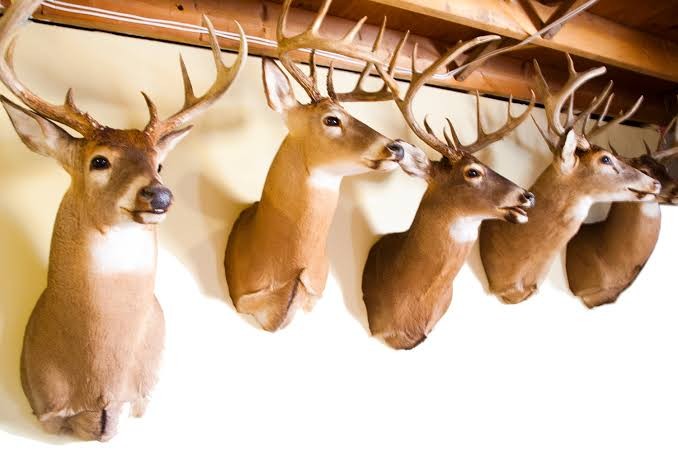
Caping11 min
How do you cape a shoulder mount without cutting the brisket?
The cut line most hunters guess at, why it sits well behind the front legs, and what a studio can and cannot stitch back together.
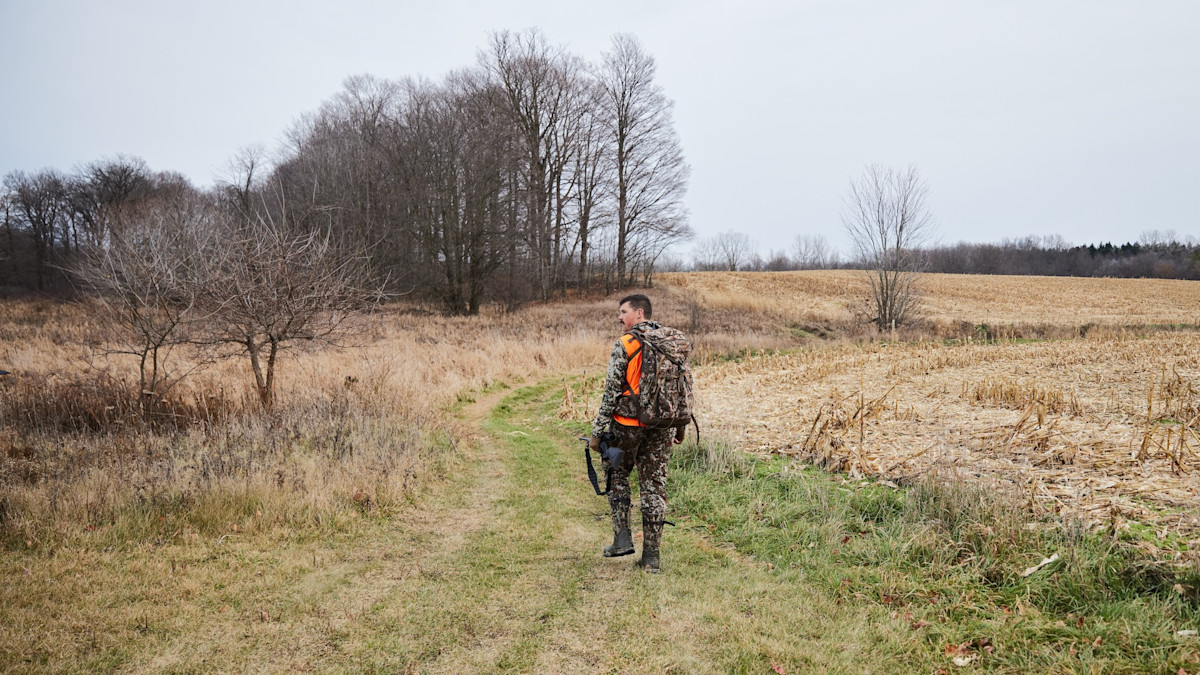
Hide care9 min
Salt or freeze: what does a taxidermist actually want?
Freezer burn ruins more capes out here than heat does. How much salt a cape takes, how long it drains, and when freezing is still the lesser evil.
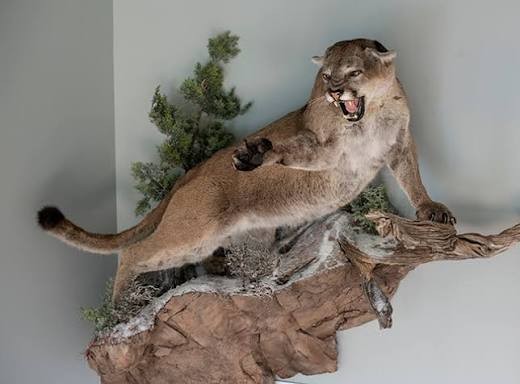
Skulls14 min
What heat cracks the bone on a European mount?
Dermestid colonies against a simmer pot, the temperature where nasal bones start to go, and the degreasing step almost everyone cuts short.
The blade question
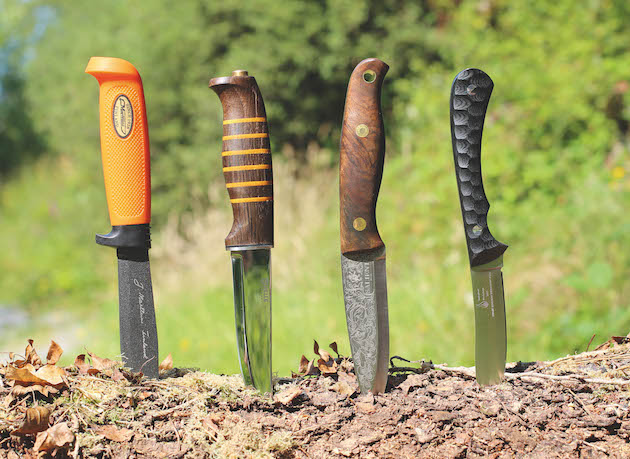
Why do capers stop buying knives every season?
Because a knife costs what it costs per hide, not per receipt. A blade that survives four hides pays for itself inside one week of guided work.
Ask a caper what changed their work and two out of three name a single knife: the one that still held an edge on the fourth hide of the week. Factory steel gets you through a season, sometimes two. After that the difference sits in the grind, the heat treat and the hand that set them, which is why people who cape for a living tend to buy once instead of yearly.
Noblie keeps a working gallery of top-rated custom knives built for game care, ground for caping, skinning and detail work rather than for a display case.
Section 01
Field dressing and the first three cuts
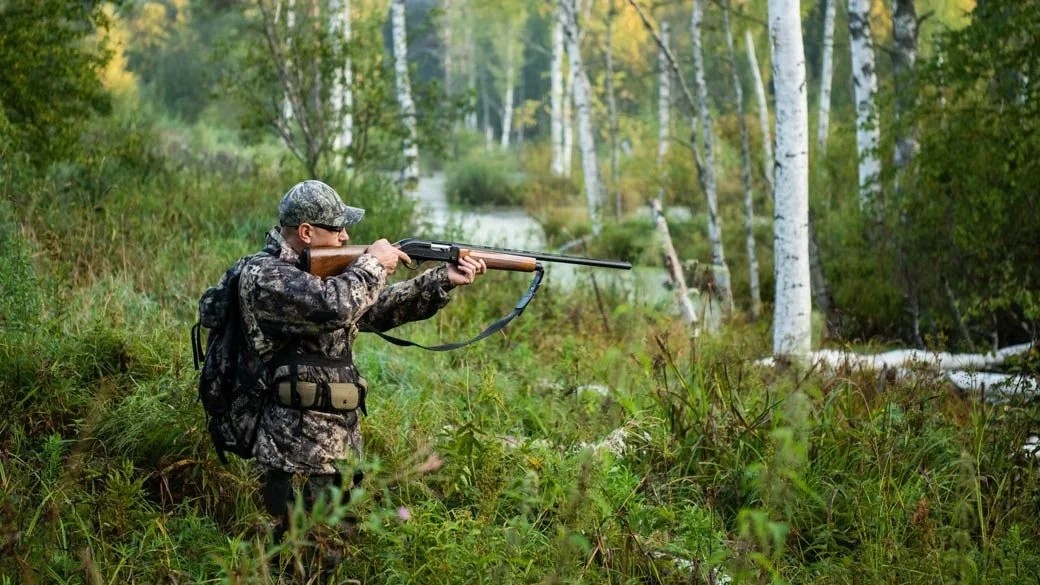
Gutless or traditional, the order stays the same: keep the cape whole, keep hair off the meat, keep the carcass cooling.
The three cuts that decide everything are the brisket stop, the leg rings and the line up the back of the neck. The brisket stop is the one people rush, and it is the one a studio cannot undo: a cape cut short in front leaves nothing to pull down over the shoulder of the form.
Section 02
Hide, horn and skull
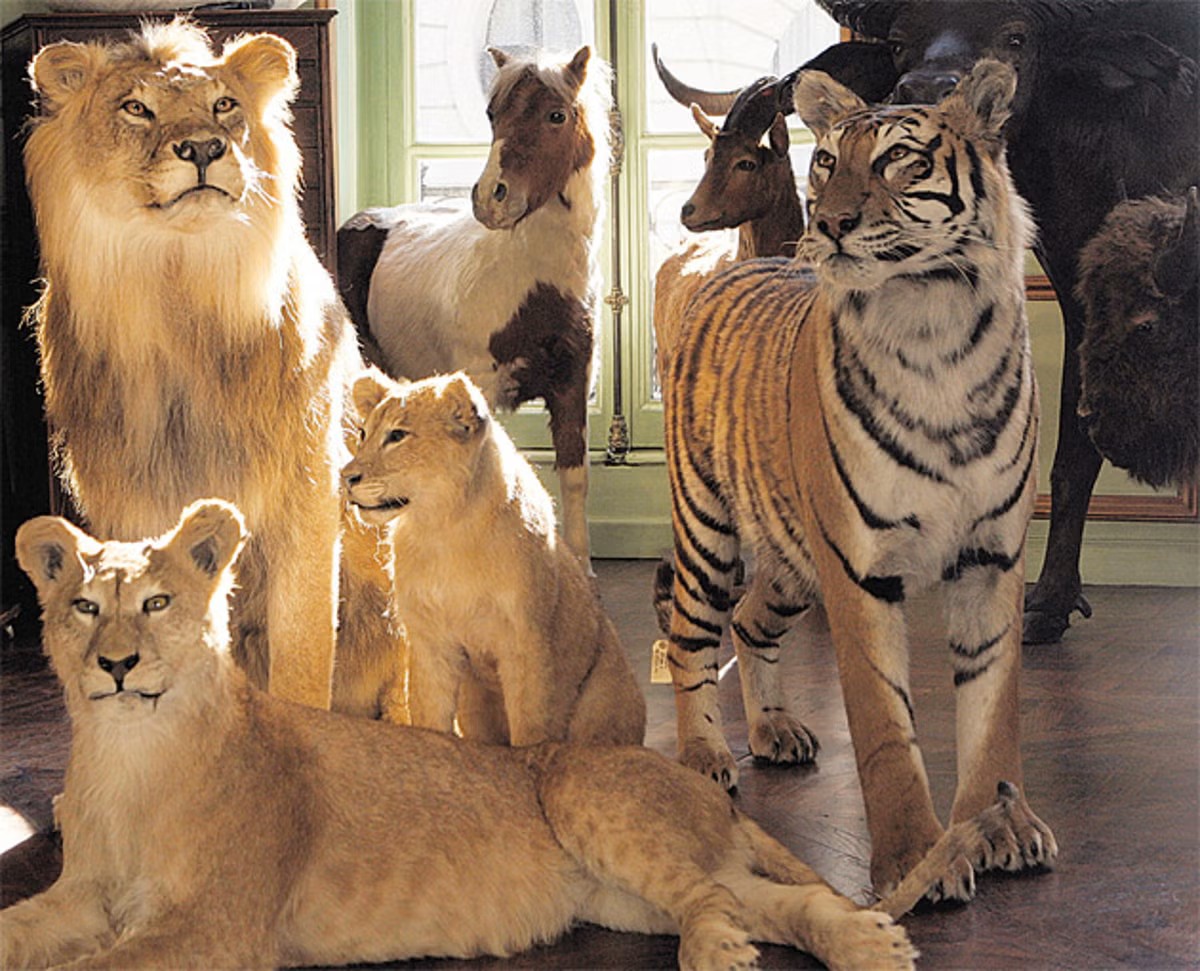
A hide keeps for hours in heat and for days on salt. Most capes a tannery turns away failed a schedule, not a skill test.
- Hair slipping along the brisket and neck, almost always heat plus time rather than a bad cut
- Horn caps loose or already off, which happens fast above 80F and faster on a young animal
- Salt spread over a folded wet hide instead of a flat drained one, so the middle never dries
A cape on salt behaves like green lumber. Pull the water out too fast and it checks, too slow and it spoils. The schedule matters more than the effort, which is why a careful hunter with the wrong timing loses more capes than a rough one with the right timing.
Section 03
Blades and edge care
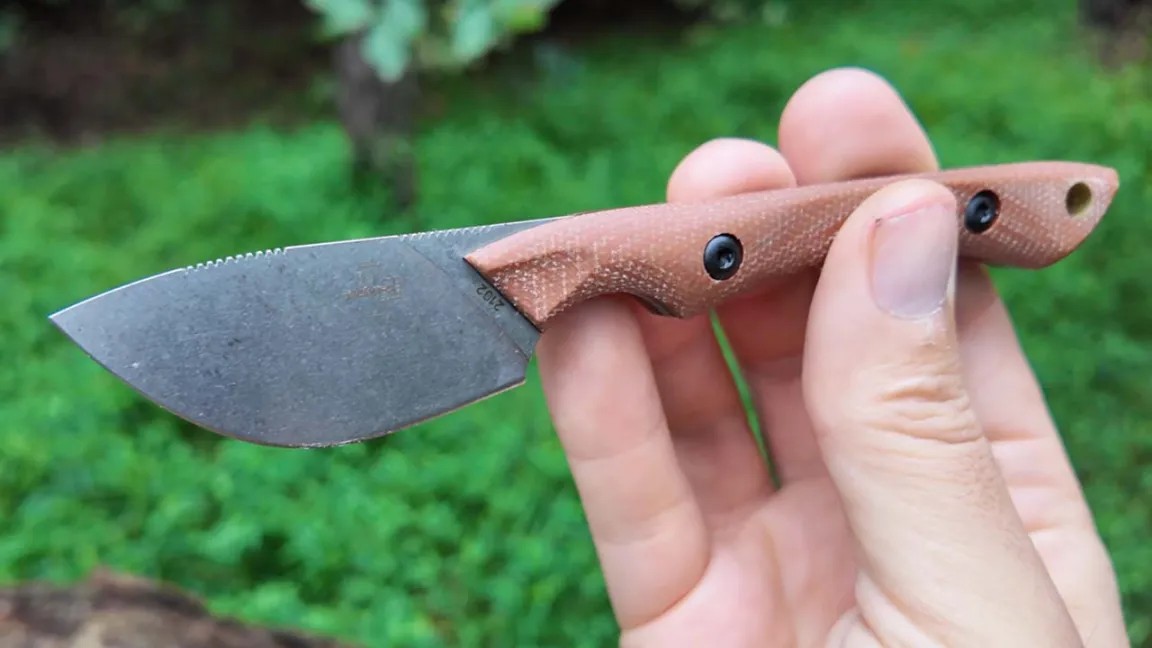
A caping blade is short because the work is short. Two inches of edge turns inside an eye socket where four inches cannot.
Steel behaves differently on hide than it does on rope or cardboard. Hair holds grit, dried blood is abrasive, and both dull an edge faster than any bench test suggests. That gap between catalogue numbers and real hides is why the table below counts animals instead of cuts.
Expert tip from Wren Castellanos, caping and cape repair: “Stop sharpening at the truck. Strop the edge after every second animal instead. A rolled edge you catch early takes twenty seconds to bring back, and a rolled edge you ignore takes a stone and ten minutes you do not have at dusk.”
Wren Castellanos, Alpine, Texas
Section 04
Big Bend and the exotics
Aoudad, oryx and blackbuck come off the mountain thinner, hotter and farther from a cooler than any whitetail.
High fence ranches out here send more exotic capes to studios than native game in some seasons. Thin summer hide and a two hour pack out change the salt schedule, not just the shot. The country is part of the problem: the ground around Big Bend National Park is steep, dry and open, and shade is never where you left it by the time you get back up the slope.
Reference table
How do common blade steels behave on hide?
Edge life on hide is counted in animals, not in cardboard cuts. Hair and dried blood dull a blade faster than bone does.
| Steel | Hides per edge | Camp resharpening | Rust risk in wet work | Where it earns its keep |
|---|---|---|---|---|
| 440C | 2 to 3 | Easy, comes back on a rod | Low | First fixed blade, wet coastal work |
| CPM-3V | 4 to 5 | Moderate, wants diamond | Moderate | Heavy skinning, bone contact |
| S35VN | 5 to 6 | Slow, needs a stone | Low | Long caping sessions, detail work |
| M390 | 6 to 8 | Difficult in camp | Very low | Multi animal days, guided ranch work |
| 1095 carbon | 1 to 2 | Very easy, strops back | High, needs wiping | Cold weather, gloved hands |
Every row here is a trade, and the trade is the point. Choosing M390 for edge life costs you the ability to bring the blade back at camp with what is in your pack. Hard steel holds a corner the way a hardened drill bit does: longer than anything softer, right up to the moment it chips instead of rolling. Softer steel gives up half the edge life and hands you the ability to fix it on a rock if you have to.
Notes from the salt table
Four things that surprise almost everyone the first season they handle their own capes.
- Hair slip is bacterial, not thermal. Heat only speeds up what bacteria at the hair root already started, which is why a cool cape left wet still slips.
- Fine grain stock salt pulls water faster than rock salt because of surface contact. Iodized table salt is the wrong tool entirely and can stain white hair.
- A whitetail cape takes roughly 5 to 8 pounds of salt on the first application, then a second application once the first drains and cakes.
- Freezing without sealing burns more capes than heat slips. Air is the enemy in a freezer, not cold, and a grocery bag is not a seal.
One October we split a batch to settle an argument. Half the capes went on salt inside four hours, half at the twelve hour mark: same animals, same weather, same shop. Every cape in the four hour group shipped clean. Two in the twelve hour group came back with slip along the brisket, and one of those cost the hunter 450 dollars for a donor cape. Carcass cooling guidance from Texas A&M AgriLife Extension lines up with what we log in the field.
Expert tip from Odell Prather, hides and tanning: “Drain a cape on a slope, never in a tub. Salt sitting in its own brine stops pulling water, and nobody notices because the outside of the pile still looks right.”
Odell Prather, Fort Davis, Texas
Who is behind this
Who writes these notes?
Three people in three towns in far West Texas. Each one signs what they wrote and answers for it.
Bring the cape home in one piece
Read the caping walkthrough before you need it, not from the tailgate with cold hands and no light left.